

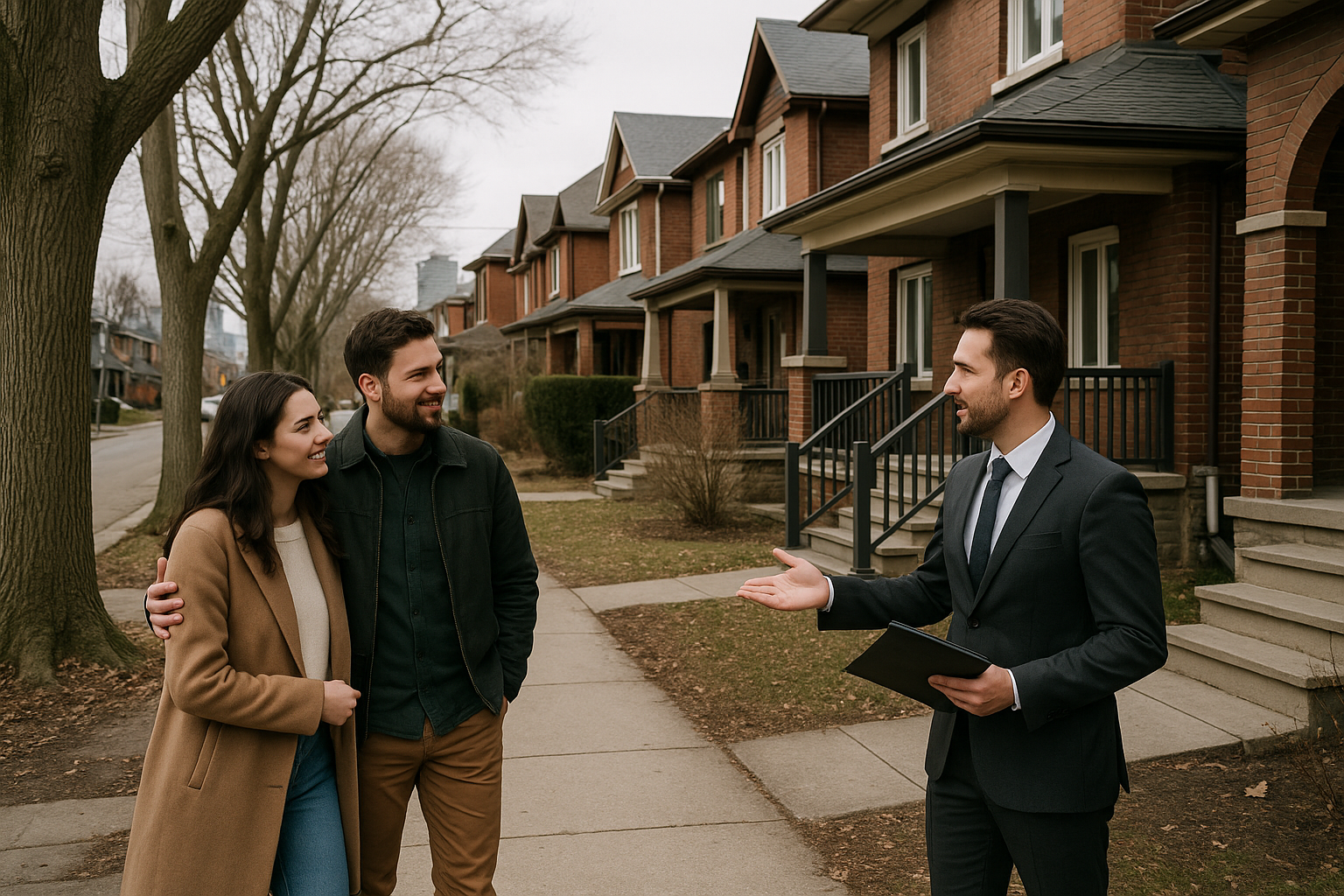
Buying a home in the GTA in 2026 requires more than choosing a neighbourhood and securing a mortgage. Buyers need to compare property types, understand the cash required to close, assess monthly carrying costs and negotiate according to the specific market segment—not just the GTA-wide headlines.
Current conditions may give some buyers more choice and negotiating leverage, especially where inventory is elevated. However, Toronto condos, family-sized homes, established neighbourhoods and surrounding 905 markets can behave differently. This guide explains the main steps, costs and decisions for first-time buyers, move-up buyers and households relocating within the Greater Toronto Area.
What is the GTA housing market like in 2026?
The Toronto Regional Real Estate Board forecasts between 60,000 and 70,000 GTA home sales in 2026, with an average selling price between $1 million and $1.03 million. It also expects elevated inventory to give buyers substantial negotiating power in some areas, particularly the condominium apartment market.
Recent conditions still require a property-by-property approach. TRREB reported 5,057 GTA home sales in August 2026, down 2.1% from August 2025, while the number of homes available for sale also declined noticeably year over year. That combination suggests a more balanced market rather than a market where every seller is equally flexible.
CMHC expects Ontario’s average resale price to decline slightly in 2026, mainly because of weakness in the GTA. Its outlook indicates that family-sized homes may be more stable, while GTA condominium apartments could face weaker absorption. In practical terms, buyers should compare supply, demand and resale considerations by property type and neighbourhood instead of relying on one average or a single market forecast.
How do you buy a house in Ontario?
The process usually follows these steps:
- Set your budget: Review your income, savings, debts, credit profile and comfortable monthly payment.
- Get financing guidance: Compare mortgage options and obtain a pre-approval or other lender assessment before making offers.
- Define your priorities: Decide which locations, property types, commute requirements and features are essential.
- Tour and compare homes: Look beyond the asking price to condition, maintenance, taxes, fees and future flexibility.
- Prepare an offer: Your agent can help assess comparable sales, competing listings, conditions and negotiation strategy.
- Complete due diligence: Review the inspection, status certificate where applicable, property disclosures, financing and legal documents.
- Close and take possession: Your lawyer coordinates funds, title transfer, adjustments and registration before closing.
The right sequence can vary. For example, a move-up buyer may need to coordinate the sale of an existing home with a purchase, while a relocating household may need to narrow its search before arranging an in-person viewing schedule.
How much money do you need to buy in the GTA?

Your required cash is more than the down payment. You may need funds for the deposit, down payment, land transfer tax, legal fees, inspection, appraisal, moving expenses, adjustments and immediate repairs or furnishings.
Down payment requirements
Under current federal guidance, the minimum down payment is 5% for a home priced at $500,000 or less. For a home priced above $500,000 and below $1.5 million, the minimum is 5% on the first $500,000 plus 10% on the remaining portion. Homes priced at $1.5 million or more require at least 20% down.
A down payment below 20% typically requires mortgage loan insurance. In Ontario, buyers should also budget for provincial sales tax on the insurance premium. Your lender or mortgage professional can explain the applicable premium and how it affects borrowing costs.
Land transfer tax
Ontario land transfer tax applies when you purchase a property in the province. If the property is in the City of Toronto, the municipal land transfer tax also applies. This makes the location of the property important when estimating closing costs: a home in a surrounding 905 municipality does not have the City of Toronto’s municipal land transfer tax.
Eligible Ontario first-time buyers may qualify for a provincial land transfer tax refund of up to $4,000. Eligible first-time buyers purchasing in the City of Toronto may also qualify for a municipal rebate of up to $4,475. Confirm eligibility and current calculations with your lawyer before relying on a rebate in your budget.
What financing options should GTA buyers compare?
Do not choose a mortgage based only on the advertised rate. Compare the payment, term, fixed or variable structure, prepayment privileges, penalties and portability. A lower rate may not be the best fit if the mortgage has restrictions that conflict with your plans.
The Bank of Canada’s overnight policy rate was 2.25% on September 2, 2026. That policy rate is not your personal mortgage rate, but it can influence variable-rate borrowing conditions and broader lender pricing. Obtain current quotes rather than assuming that a central-bank rate is the rate you will receive.
First-time buyers should also review available savings strategies. The Home Buyers’ Plan allows eligible buyers to withdraw up to $60,000 from an RRSP for a qualifying home, with repayment required over 15 years. It is a repayable withdrawal, not free money, so include future repayment obligations in your planning. A First Home Savings Account and applicable tax or land transfer tax programs may also be relevant depending on your circumstances.
Toronto or the 905: which offers better value?
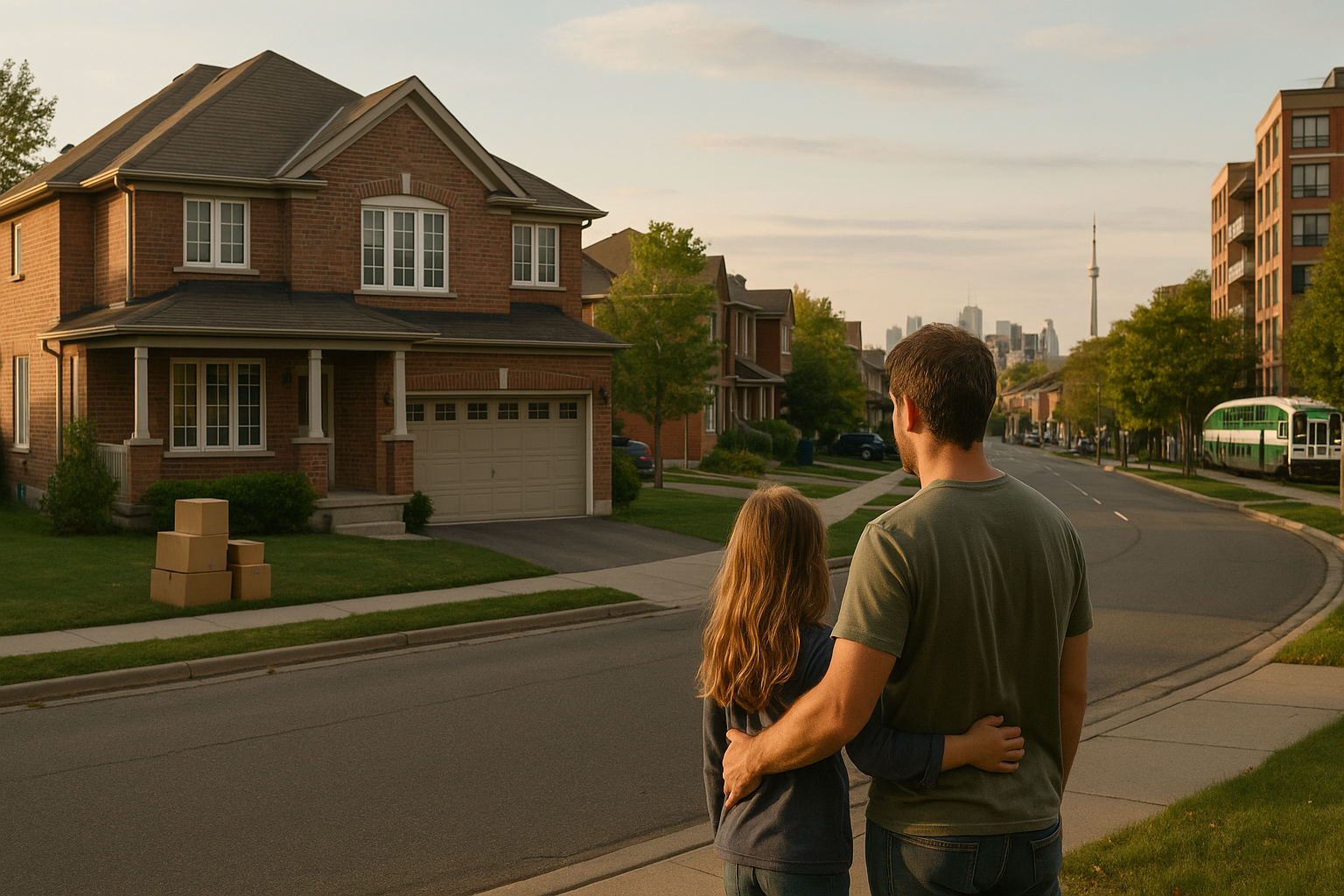
There is no single answer because value depends on what you need from the property and the location. Toronto may offer shorter access to employment centres, established transit connections, amenities and a wider range of urban housing types. The 905 may provide more space, different property choices and potentially different purchase and carrying costs, but commuting time and transportation expenses can change the overall calculation.
Compare the complete lifestyle cost, not only the purchase price. Consider property taxes, condominium fees, utilities, insurance, parking, commuting, childcare, maintenance and the time required to travel. A lower purchase price may not produce a lower monthly budget if other costs are materially higher.
For move-up buyers, also compare the equity released from your current home with the price and carrying costs of the next property. The best move may be a different property type, a different municipality or a timing strategy that reduces the risk of owning two homes at once.
How should you negotiate in the GTA in 2026?
Negotiation should reflect the specific listing and its competitive set. Look at recent comparable sales, days on market, price changes, condition, offer instructions and the number of similar homes available nearby.
Elevated inventory can improve buyer leverage, but it does not mean every seller will accept a steep discount. A well-priced home in good condition may still attract attention, while a condo with high fees, a poorly positioned asking price or limited buyer demand may require a different strategy.
Price is only one part of an offer. Closing date, deposit, financing and inspection conditions, included items and the seller’s preferred timeline can all affect the outcome. Your offer should protect your interests while remaining appropriate for the property and circumstances.
What should you check before buying?
Before firming up a purchase, verify the condition and ongoing obligations attached to the property. For a freehold home, review the roof, foundation, heating and cooling systems, windows, electrical and plumbing systems, drainage and any visible signs of water intrusion.
For a condominium, review the status certificate, corporation finances, reserve fund, rules, fees, planned repairs and any special assessments with your lawyer. A lower purchase price may be offset by rising maintenance fees or significant building work.
Also confirm property taxes, insurance availability, parking and locker details, rental restrictions where relevant, zoning considerations and any renovation or permit history that matters to your plans.
Build a decision that works beyond closing day
The strongest GTA purchase plan balances today’s affordability with your likely needs over the next several years. Before making an offer, stress-test the budget against higher maintenance costs, changes in income, a future move, renovations and the possibility that resale conditions will not improve quickly.
Market forecasts can provide context, but they cannot guarantee future prices, mortgage rates or appreciation. A home should fit your finances and lifestyle without depending on a particular market outcome.
If you are comparing GTA neighbourhoods, property types or purchase strategies, Team Sapphire can help you organize the search, evaluate comparable options and prepare a plan for the next step. Contact Team Sapphire to discuss your buying goals and build a practical GTA home-buying strategy for 2026.